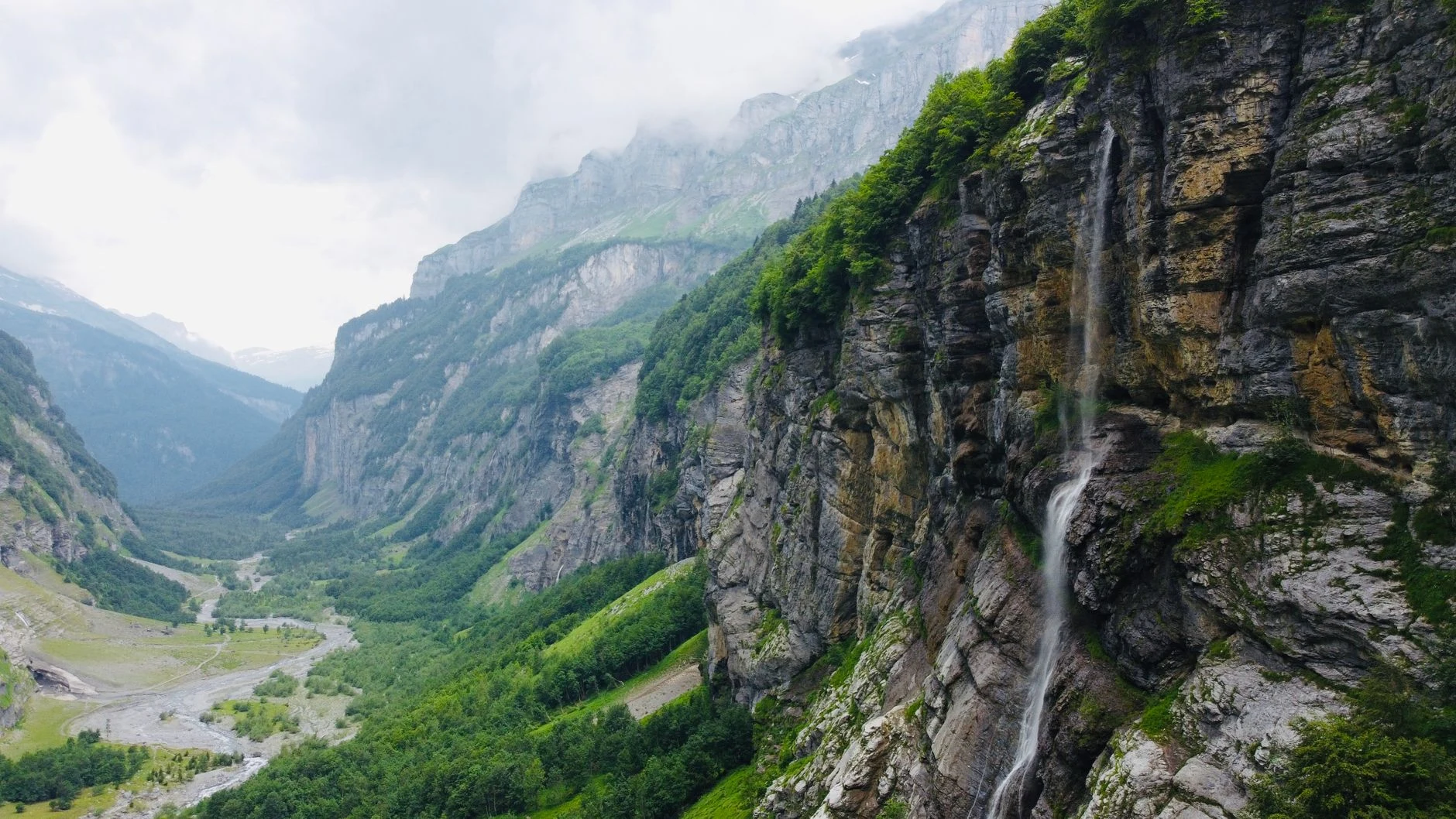
The Berkshires are a range of hills and the county that shares their name, occupying the western end of Massachusetts between the Connecticut border and Vermont. The hills are old and worn down — nothing here reaches 3,500 feet — and the valleys between them hold small towns that have been in place for two centuries.
What makes the county unusual is not the landscape, which is pleasant rather than dramatic. It is the density of cultural institutions relative to the number of people who live here. Berkshire County has a population of roughly 125,000 and supports a concentration of museums, orchestras and repertory theatres that would be respectable in a city ten times the size.
How that happened
The short answer is nineteenth-century money followed by twentieth-century philanthropy.
The Berkshires became a summer retreat for wealthy families from New York and Boston in the decades after the Civil War, when the railway made the journey manageable. Those families built large houses, and a number of them subsequently endowed or donated the institutions that now define the county. The pattern repeated through the twentieth century as mill towns declined and industrial buildings became available cheaply.
The most visible result of that second wave sits in North Adams, where a disused electronics plant became MASS MoCA — a contemporary art museum with the floor area to show work that will not fit anywhere else. The building's former life is not hidden; it is the reason the museum can do what it does.
The cultural map, roughly north to south
North County centres on North Adams and Williamstown. Alongside MASS MoCA, Williamstown holds the Clark Art Institute and, in summer, the Williamstown Theatre Festival. It is also the northern gateway to the Massachusetts stretch of the Appalachian Trail — see hiking.
Central Berkshire runs around Pittsfield, the county's largest town and its administrative centre. Hancock Shaker Village sits just west of it, preserving the buildings and working practices of a Shaker community, including a round stone barn that turns up on a great many postcards.
South County holds Stockbridge, Lenox and Great Barrington. The Norman Rockwell Museum is in Stockbridge. Tanglewood, near Lenox, is the summer home of the Boston Symphony Orchestra and the single largest draw in the county — a Tanglewood weekend fills accommodation for a considerable distance around. Shakespeare & Company and Barrington Stage extend the theatre season past the summer, and a number of chamber music festivals run alongside them.
None of this is far apart. The county is about fifty miles top to bottom, and most of these places are within an hour's drive of each other. A visitor based anywhere in the middle can reach nearly all of it.
Two seasons, two sets of visitors
The Berkshires have a summer economy and a winter economy, and they barely overlap.
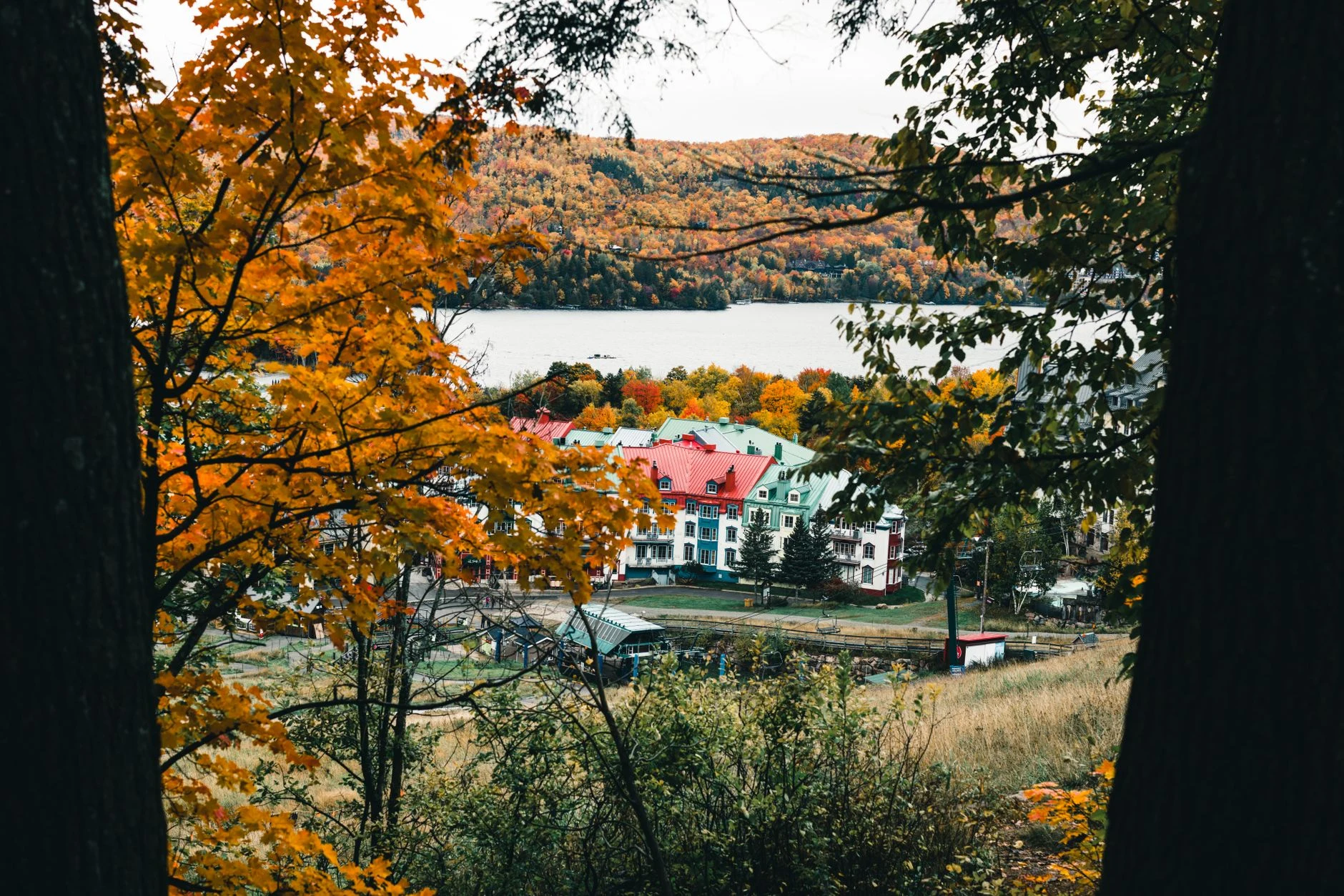
The summer season is cultural and runs from late June to early September, peaking around the Tanglewood programme. Traffic is heavier, restaurants need booking, and lodging prices reflect it. Autumn extends this with leaf-season visitors through October, which is the busiest driving period of the year on the scenic routes.
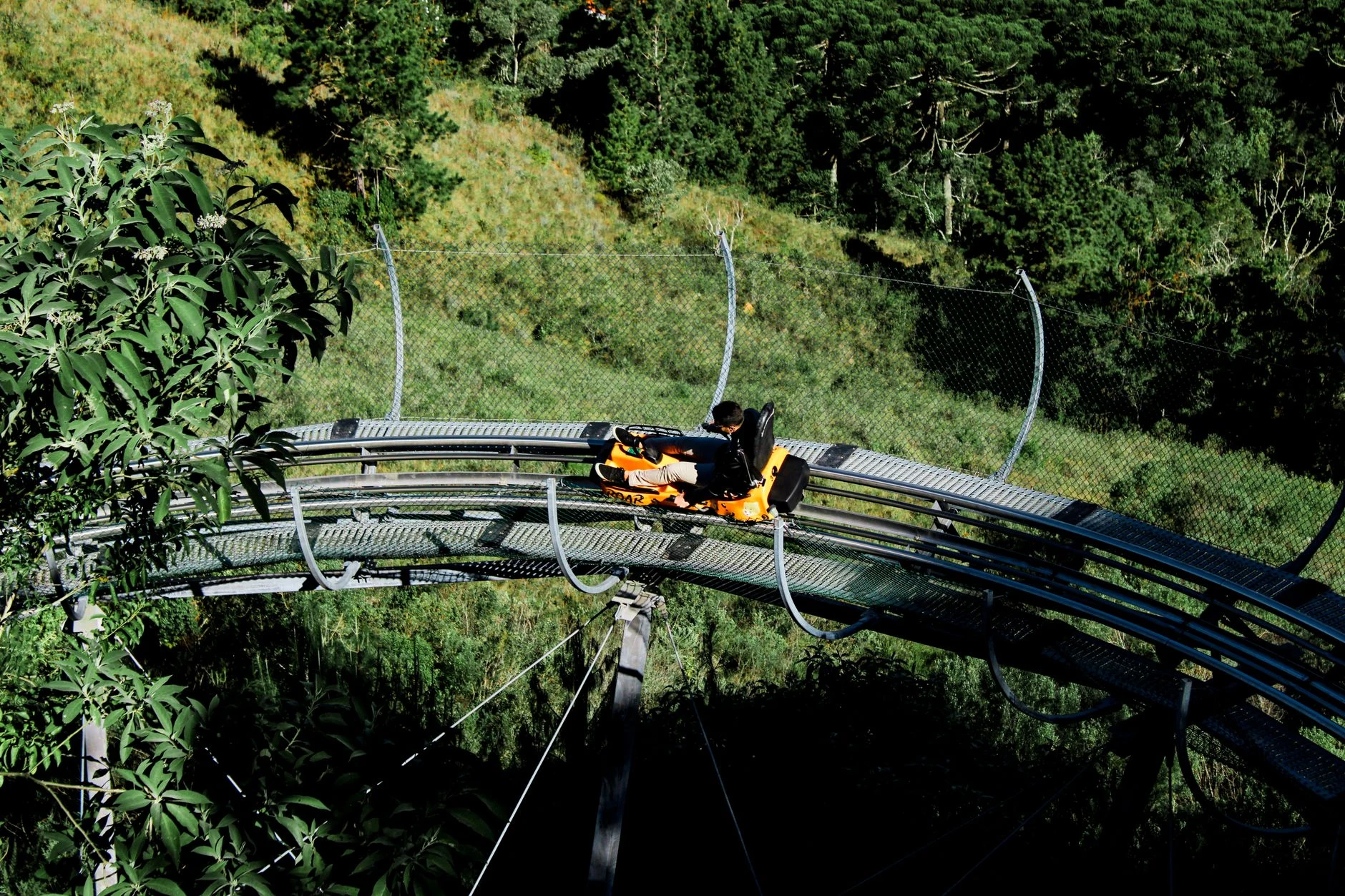
The winter season is a ski economy, weekend-weighted and weather-dependent. It draws a different visitor — usually a family, usually driving up from a city on a Friday evening or a Saturday morning — and concentrates around the hills rather than the towns. The practicalities are covered on area lodging and getting here.
The quiet periods between the two, roughly November and again in April and May, are when a good deal of the county closes. This is worth knowing before planning a trip in those months: the landscape is still there, but a fair number of the reasons to visit are not.
Beyond the well-known names
The institutions above are the ones that draw visitors from outside the region, but they are not the whole picture. The county has a substantial network of state forests, a working agricultural sector that supports farm shops and markets through the warm months, and a set of small towns that reward an afternoon of aimless driving more than most places do.
There are also a great many outlet and shopping developments along the main corridors, which are the least interesting thing here and the most heavily signposted. Anyone with limited time is better served heading for the smaller places.
Food is covered on restaurants, the museum and performance side in more detail on cultural attractions, and the range of things to do with a family on family fun and more things to do.
A note on scale
Visitors arriving from a large city often misjudge the Berkshires in one specific way: they assume that because the institutions are serious, the infrastructure around them is too.
It is not. This is a rural county. Public transport between towns is thin, evening dining ends earlier than city visitors expect, and a "short drive" on a winding hill road in the dark takes longer than the map suggests. Planning around a car, and around earlier evenings, removes most of the friction.