Most Berkshire itineraries are built from the same half-dozen names, and a visitor on a third day, or on a wet one, runs out of them quickly. The county has considerably more than its headline attractions, and much of it is better suited to an unplanned afternoon than the major institutions are.
Gardens and designed landscape
The county holds several substantial gardens, a legacy of the same estate-building period that produced its museums.
The Berkshire Botanical Garden in Stockbridge is the best known — a working display garden rather than a grand landscape, and at its best from late spring through early autumn. It is a good hour rather than a half-day.
Several of the historic houses in the county are worth visiting as much for their grounds as their interiors, and a number open the landscape when the house is closed. For anyone travelling in the shoulder seasons, that is worth checking before writing a property off.
Naumkeag and the other estate gardens around Stockbridge and Lenox concentrate the best of it within a few miles, which makes an afternoon of two or three of them practical.
Historic houses and literary sites
The Berkshires attracted writers as reliably as they attracted money, and several of the resulting houses are open.
Herman Melville wrote Moby-Dick at Arrowhead in Pittsfield, looking at Mount Greylock, which he is generally held to have had in mind for the whale's back. Edith Wharton designed and built The Mount in Lenox, and the house is as much an argument about architecture as a residence. W. E. B. Du Bois was born in Great Barrington, and the homesite is preserved.
These suit a particular visitor and will bore a child rigid. Where the line falls for families is covered on family fun.
Hancock Shaker Village is a different proposition — a preserved working community rather than a house, with demonstrations, animals and the round stone barn. It carries a much wider age range than the literary sites and takes a half-day comfortably.
Railways, breweries and the rest
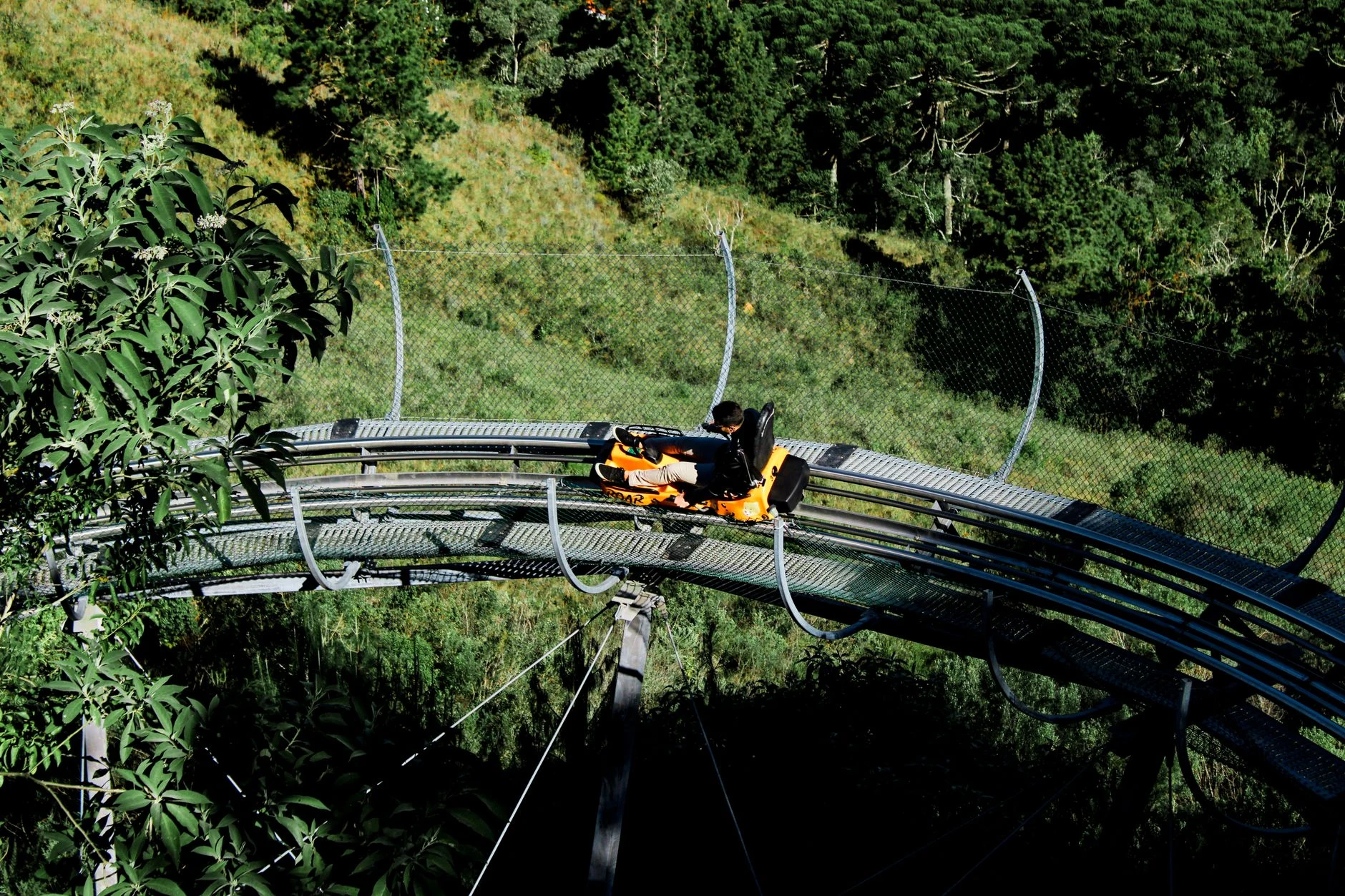
A heritage railway operates in the county through the warm months, running short scenic services. It is a modest thing and children like it disproportionately.
The Berkshires have a well-established brewing and distilling scene, and several producers run tap rooms and tours. This has grown considerably over the past decade and is now a legitimate reason to spend an afternoon somewhere, particularly in the shoulder seasons when other things are closed.
Farm shops and pick-your-own operations run from June through October, ending with apples and pumpkins in the autumn. Early October apple picking with the foliage behind it is the county doing what it does best.
The county also supports an unusual number of good second-hand and independent bookshops for its population, which is the most reliable wet-afternoon answer there is.
Wet weather, specifically
This is worth planning for rather than improvising, because a good deal of what brings people to the Berkshires stops working in rain.
The large indoor institutions are the obvious answer, and the contemporary art museum in North Adams in particular absorbs several hours — see cultural attractions.
Beyond them: the bookshops, the tap rooms, the indoor markets in the larger towns, and the historic houses, which are entirely indoor propositions.
What does not work in rain is the ski hills' summer operation, the gardens, the rail trail and anything on the water. A wet forecast should shift the whole plan rather than delay it. The outdoor options and their weather dependence are on outdoors and summer.
Shopping
The main corridors carry a substantial quantity of outlet and chain retail, which is heavily signposted and is the least interesting thing in the county.
The small town centres — Great Barrington, Lenox, Williamstown, Stockbridge — hold the independent shops, galleries and antique dealers that are actually worth an hour. They are also where the good food is, covered on restaurants.
Anyone with limited time should ignore the outlets entirely.
Fitting it together
The pattern that works for a weekend is one major institution, one outdoor activity and one small thing, rather than three major institutions.
The county is compact enough that this is easy — nothing here is more than an hour from anything else — but the major institutions each demand several hours and stacking them produces a tiring weekend with no memory of any of it.
For a visitor with a third day, the smaller attractions above are usually the better use of it than a second gallery. The general shape of the county and its seasons is on about the Berkshires.