The Berkshire ski season is shorter and less certain than the ones people picture when they think of New England skiing. It generally begins in the second half of November and ends in early April, and both ends of that range move by a fortnight or more depending on the winter.
What holds it together is snowmaking. These are low hills by New England standards, they sit at a latitude that produces plenty of marginal weather, and no Berkshire operator could run a business on natural snowfall alone.
Snowmaking sets the opening date
An opening date here is a function of cold nights rather than of snow. Snowmaking needs temperatures low enough for long enough, and a run of mild nights in late November delays an opening regardless of how much snow has fallen.
This is why announced opening dates are provisional and why they sometimes move twice. It is also why the first terrain to open is not the easiest terrain but the terrain with the best snowmaking coverage, which is usually a main trail served by one lift.
Full operation generally arrives around Thanksgiving, and that is the point at which a visit becomes reliably worth the drive. Before then, a hill may be open with a single trail running, which is fine for a passholder living twenty minutes away and disappointing for a family driving three hours.
The end of the season works the other way. April closures are usually decided by warm rain rather than by a lack of snow, because rain removes a season's accumulated base far faster than sun does.
The shape of an operating day
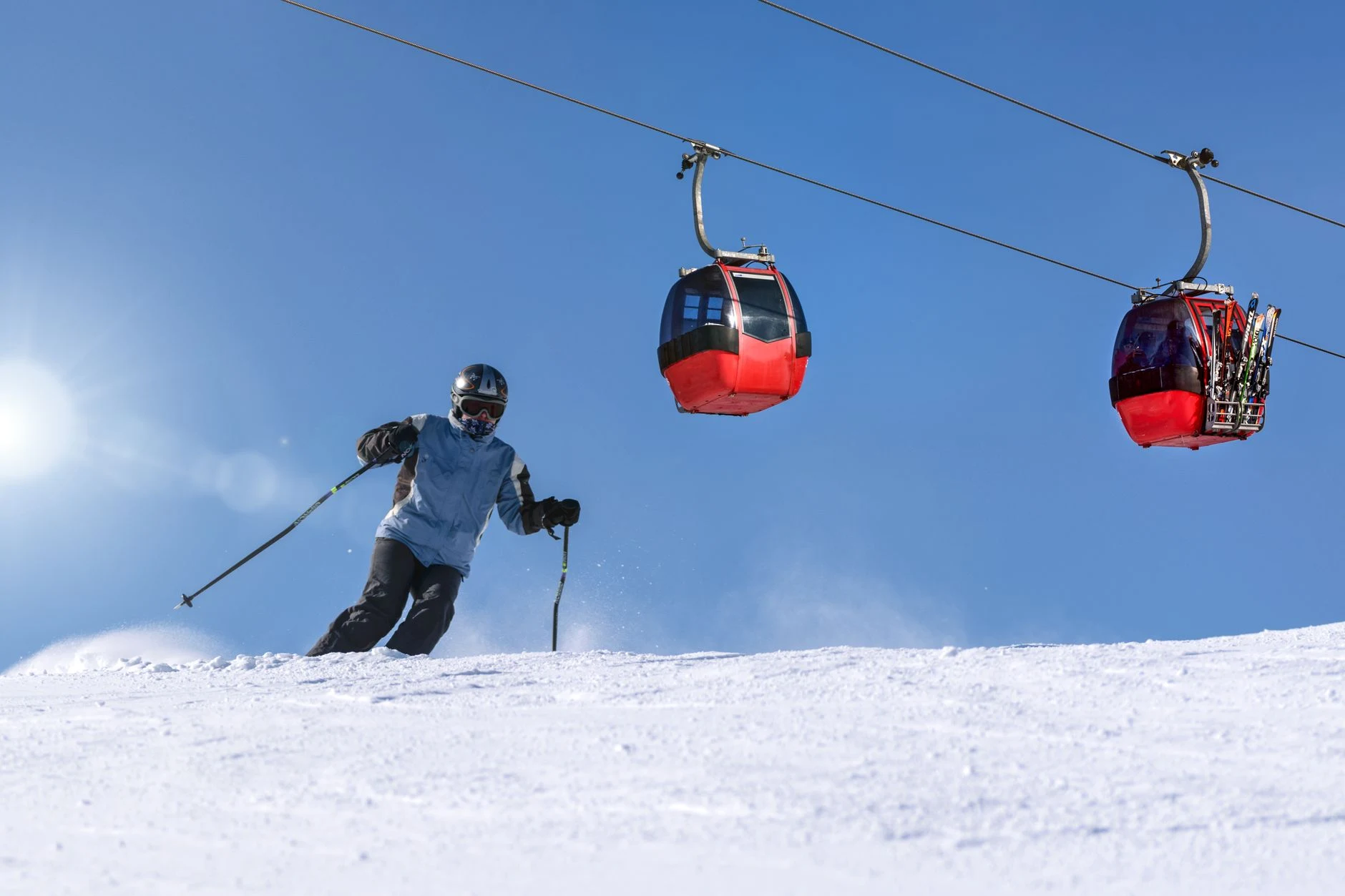
A typical winter day here runs from around half past eight or nine in the morning until well into the evening. That evening portion is not an afterthought — Berkshire hills light a substantial share of their terrain, and night skiing is a genuine part of the offer rather than a token extra.
Three consequences follow.
The day is long enough to be split. A four-hour or twilight ticket covers a real session rather than a compromise, which suits people arriving after work or after a morning elsewhere. Ticket structures reflect this, and the value card and season passes pages set out how the pricing tiers differ.
Weekends open earlier than midweek, usually by half an hour, because that is when the volume arrives.
Holiday periods run on their own schedule, with different opening times and, more importantly, different crowd levels. Christmas week and the February school break are the two busiest stretches of the year.
Christmas and New Year
The days around Christmas are the one part of the calendar where hours vary sharply and unpredictably from the pattern above.
Christmas Eve typically runs a short day, closing in the afternoon. Christmas Day itself usually opens late morning and then runs a full evening. New Year's Eve tends to run an extended day with an event of some kind attached.
None of this is standard between operators, and it changes year to year. Anyone planning to ski between December 24th and January 2nd should check the specific dates rather than assume the ordinary weekend pattern applies.
What actually closes a hill
Snow rarely closes a Berkshire ski area. Four other things do.
Wind. Chairlifts stop in high wind, and a hill with its upper lifts held is effectively a much smaller hill. This is the most common cause of a disappointing day here.
Rain. Warm rain both makes skiing unpleasant and destroys the surface. Operators keep running through it, but the experience is poor and the following day is often worse.
Ice. A thaw-freeze cycle turns groomed snow into a hard, fast surface that is genuinely unpleasant for beginners and merely unenjoyable for everyone else.
Lightning, in the shoulder seasons, which stops lifts immediately.
The practical response is to check conditions the morning of a visit rather than the night before, and to have a fallback. Snow tubing runs in conditions that make skiing miserable, and the Berkshires offer a good deal that does not depend on the weather at all.
Summer operation
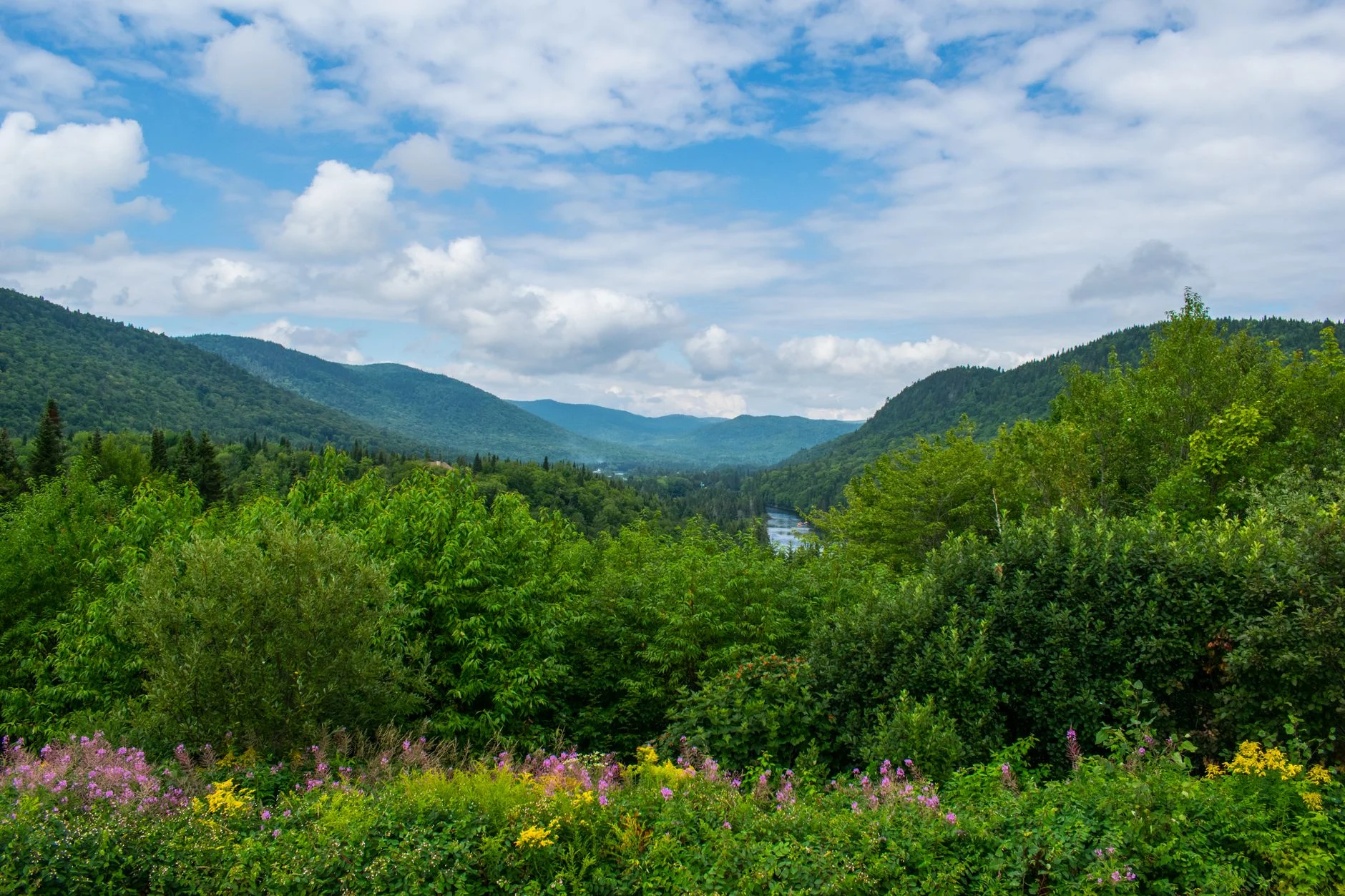
The hills do not close for the summer. Most Berkshire ski areas run a warm-season operation of some kind from late May to mid-October, with scenic lift rides, mountain attractions and lift-served biking on a schedule that shifts between weekends-only and daily around the school holidays.
That side of the calendar is covered on summer and mountain biking, and the walking access on hiking.