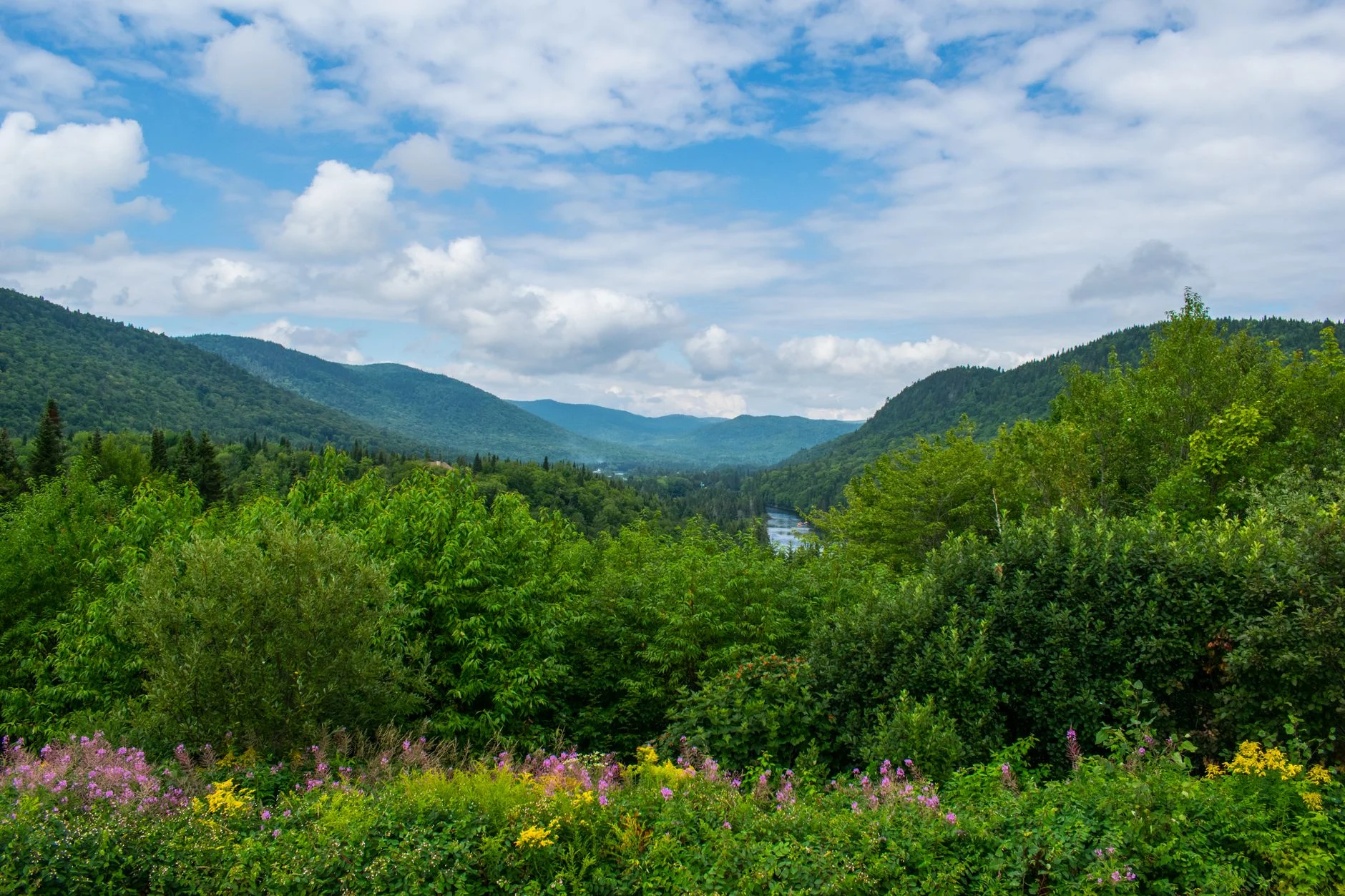
For a county defined by hills, the Berkshires hold a surprising amount of water. Two river systems drain it in opposite directions, and the valleys between the ridges are dotted with lakes, ponds and reservoirs, a good many of them publicly accessible.
Most of it is quiet. This is not a boating destination in the way that the Cape or the Finger Lakes are, and outside a handful of summer weekends a paddler can have a pond largely to themselves.
The two river systems
The Housatonic rises in the central Berkshires and runs south through the county and on into Connecticut. It is the larger presence, and it shapes the southern half of the county.
The Hoosic runs north from the Cheshire area, through North Adams and out into Vermont and New York. It drains the northern end.
The distinction matters for anyone fishing, because the two systems hold different water and are managed differently. It also matters historically: both rivers powered the mills that built the towns, and both carry the legacy of that industry. Stretches of the Housatonic have long-standing contamination from twentieth-century manufacturing, and advisories on eating fish taken from parts of it have been in place for decades.
That is the single most important thing for a visiting angler to establish before keeping anything. The advisories are specific to particular reaches and particular species, they are published by the state, and they change. Catch-and-release is unaffected.
Fishing
Massachusetts requires a freshwater fishing licence for anyone fifteen and over, available online and valid statewide for the calendar year. Short-term licences exist for visitors. Enforcement is real.
The county offers two broadly different kinds of fishing.
Trout water is the draw. The state stocks a considerable number of Berkshire streams and ponds in spring and again in autumn, and the cold hill streams hold wild fish as well. Spring, immediately after stocking and while the water is still high, is the productive window. By August many of the smaller streams are low and warm, and the fishing falls away.
Warmwater fishing on the lakes and larger ponds runs through the summer — bass, pickerel, perch, panfish. It is less celebrated and considerably more reliable in July, and it suits anyone fishing with children, because something is usually biting.
Ice fishing is established here through the winter. It requires more caution than visitors expect: Berkshire ponds freeze unevenly, and a mild spell mid-winter is common.
Paddling
Canoes and kayaks are the practical craft here. The lakes are small enough that a paddler crosses them in an afternoon, and most access points are unsuited to anything requiring a trailer and a ramp.
The gentler stretches of the Housatonic are the classic Berkshire paddle — slow-moving, wooded, with a good deal of wildlife along the banks. Higher up, and on the Hoosic, gradient and obstructions make sections unsuitable for casual paddling, and spring melt makes them genuinely dangerous.
Anyone paddling moving water here should be honest about the difference between a flat pond and a river in April. The water is cold enough into May to cause serious problems for someone who goes in, and the rivers are at their highest exactly when the weather first feels warm enough to tempt people out.
Rental is available seasonally in several places, and it is the sensible route for a visitor. Buying a licence, hiring a boat and asking locally where the water is running is a better afternoon than arriving with a plan formed at home.
Swimming and the rest
Swimming is at supervised beaches on several of the larger lakes, generally staffed through the summer months only. Outside those hours and those places, the usual caution applies: cold water, uneven bottoms and no supervision.
Access to state-managed water is generally free or nearly so, though parking at popular access points fills by mid-morning on summer weekends. Some town beaches charge non-residents.
The water is one part of a broader outdoor offer in the county — walking is covered on hiking, riding on mountain biking, and the range more generally on outdoors.
Timing a visit
May and June are the best months for the rivers: high water, stocked fish, and few people.
July and August suit the lakes, swimming and family paddling, and this is when the access points are busiest.
September and October are the quietest and often the most pleasant, with autumn stocking bringing trout back into reach and the foliage on the water making up for shorter days.
Anyone building a trip around water should treat it as one component rather than the whole plan, because a wet week removes it entirely. What fills the gap is covered on cultural attractions and more things to do.