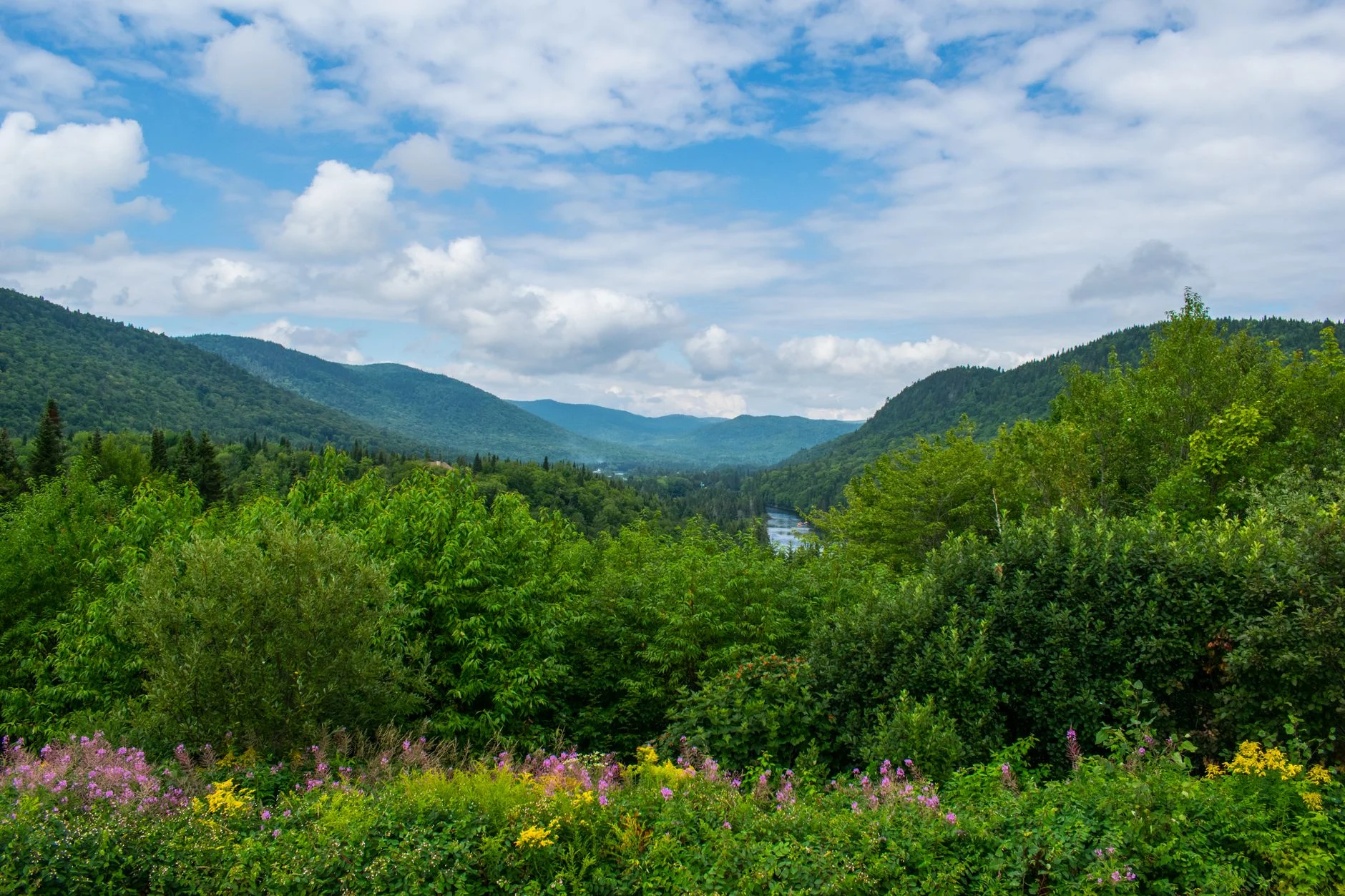
The Berkshires are more heavily wooded now than they were a century and a half ago. Hill farming collapsed across western Massachusetts in the nineteenth century as better land opened up further west, and the forest returned to ground that had been cleared for sheep and pasture.
The wildlife came back with it. Species that were absent or nearly absent from the county in 1900 are ordinary sightings today, and that recovery is the single most interesting thing about watching animals here.
What is commonly seen
White-tailed deer are everywhere and are the animal a visitor is most likely to see. Dawn and dusk at the edge of open ground — a meadow, a golf course, the bottom of a ski trail — is the reliable combination. They are numerous enough that the county has a genuine problem with browsing pressure on forest regeneration.
Wild turkey were effectively extinct in Massachusetts and were reintroduced in the Berkshires in the 1970s. They are now common, frequently in groups, and are often the first thing a visitor sees from a car.
Red fox and eastern coyote are both present and both mostly nocturnal. The coyote here is larger than its western counterpart, carrying some wolf ancestry from its expansion east through Canada. It is heard far more often than seen.
Beaver have reshaped a great deal of Berkshire wetland, and their ponds are among the most productive places to sit quietly at dusk.
Porcupine, fisher, raccoon, opossum and the rest of the middle-sized mammals are all here and mostly nocturnal.
Moose appear occasionally, generally in the north of the county. A moose sighting is a genuine event rather than an expectation, and a moose on a road at night is a serious hazard — they are tall enough that a car strikes the legs and takes the body through the windscreen.
Birds
The county sits on a migration corridor and holds a substantial range of species, which is why the Berkshires draw birdwatchers out of proportion to their size.
Songbirds arrive through spring, and May is the peak. Warblers move through in numbers, and a wooded hillside in the third week of May is as good as birding in Massachusetts gets.
Raptors are the year-round draw. Red-tailed hawks are constant, broad-winged hawks pass through in large numbers on autumn migration, and bald eagles — another species that was gone and has returned — are now seen regularly along the larger waterways. Ravens have moved back into the hills as well, and their call is one of the distinctive sounds of the higher ground.
Waterfowl concentrate on the lakes and beaver ponds, particularly during spring and autumn passage. The water access points covered on on the water are generally the best vantage points.
Black bears, honestly
Massachusetts holds a substantial and growing black bear population, and the Berkshires are its stronghold. A visitor walking regularly here will eventually see one.
Black bears are not the animal people fear. They are not predatory towards humans, and encounters that go badly are almost always about food rather than aggression. The practical rules are unglamorous:
- Do not leave food accessible at a picnic site or a campsite. A bear that finds food once returns, and a bear that repeatedly finds food near people usually ends up being destroyed. This is the reason it matters.
- Do not approach one for a photograph, and never get between a female and cubs.
- Make noise on a blind trail bend. Bears avoid people given the chance, and surprise is what removes the chance.
- If one is encountered, back away while facing it. Do not run.
Bird feeders left out in spring are the most common way a bear is drawn to a property, which is a consideration for anyone renting a house here.
Ticks, which matter more
The species that should actually change a visitor's behaviour is not the bear. It is the deer tick.
Lyme disease is well established across western Massachusetts, along with several other tick-borne illnesses. The risk is real, ordinary and easy to reduce:
- Stay to the centre of trails and out of long grass where possible.
- Cover the legs on overgrown paths; light-coloured trousers make ticks visible.
- Check thoroughly afterwards, including the scalp and behind the knees. A tick removed within a day rarely transmits infection.
- Treat clothing with permethrin for anyone spending serious time in cover.
This applies from spring to autumn and is not confined to deep woods. Suburban gardens in the county carry ticks.
Watching and photographing
Dawn and dusk are worth the early start; the middle of the day produces very little.
Sit rather than walk. Almost everything sees or hears a walking human first, and the animal a stationary observer sees at twenty yards would have been a rustle to someone moving.
Edges are more productive than deep forest — the boundary between meadow and woodland, the margin of a beaver pond, the lower slopes of a ski trail in summer.
Autumn and early spring, with the leaves off, offer far better visibility than high summer. The routes are covered on hiking, and the wider outdoor picture on outdoors.